
The Comoros – Travel Guide: what to do, which island to choose, practical information
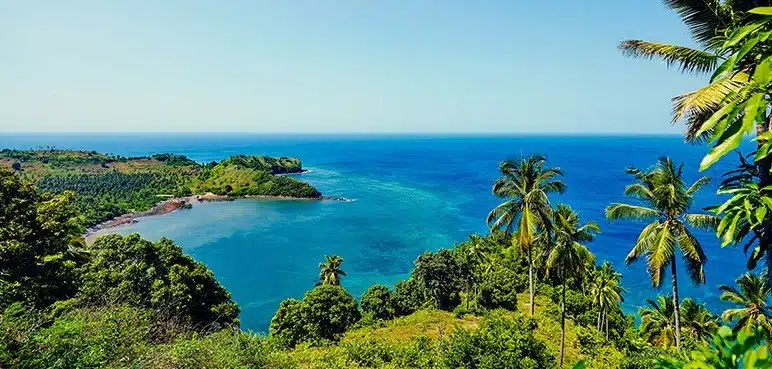
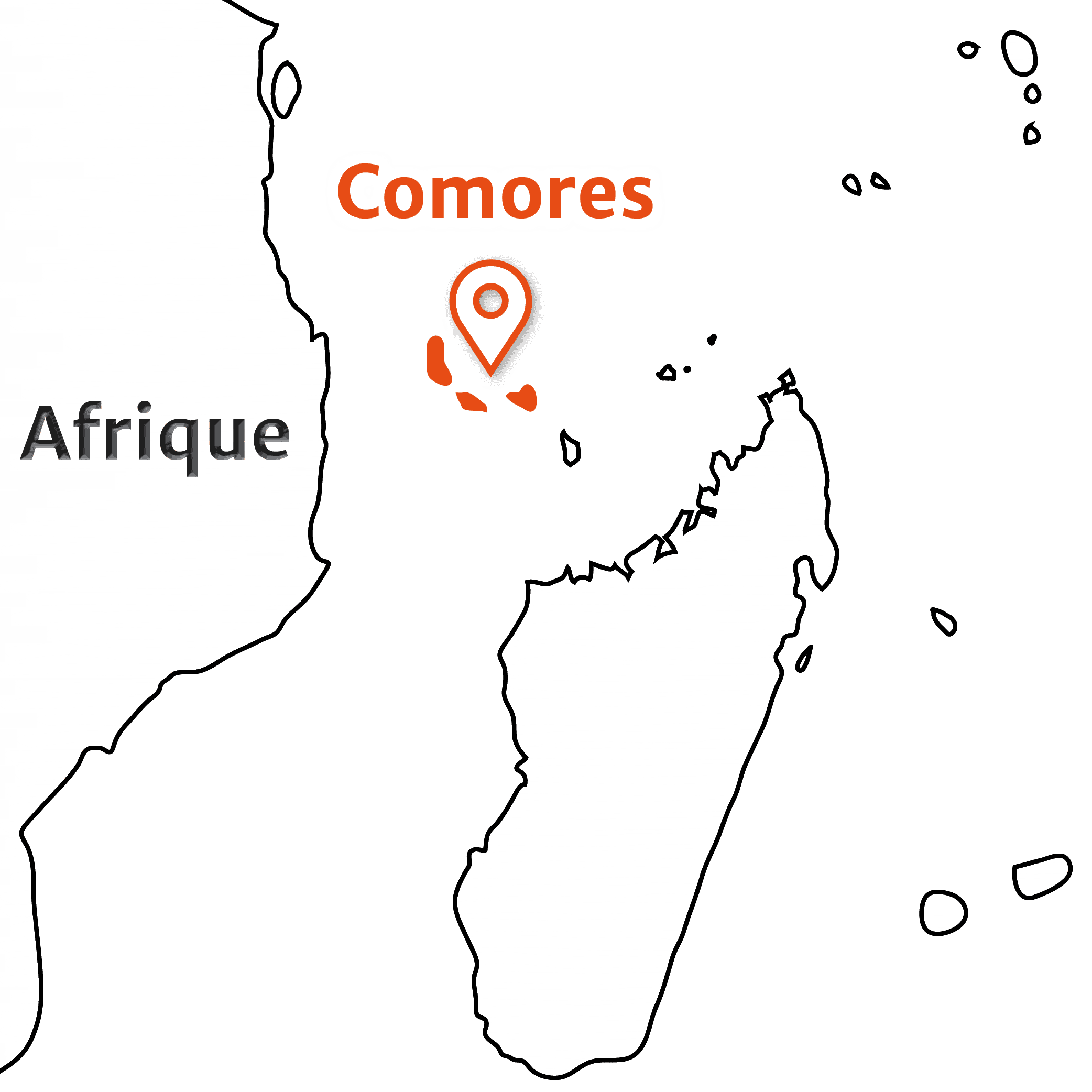
In the heart of the Mozambique Channel, the Comoros remain one of the Indian Ocean’s most authentic island destinations. The archipelago is still far from mass tourism. Each island has its own identity: Grande Comore for Mount Karthala and Moroni, Mohéli for marine wildlife and ecotourism, and Anjouan for mountain scenery, perfume plants and cultural immersion.
The Comoros at a glance
| Archipelago | 3 main islands: Grande Comore (Ngazidja), Mohéli (Mwali), Anjouan (Ndzuwani) |
| Capital | Moroni (Grande Comore) |
| Languages | Comorian, French, Arabic |
| Currency | Comorian franc (KMF) — euros are useful and are accepted in many shops and establishments |
| Visa | A visa on arrival is generally available — always check the latest conditions before departure |
| Vaccination requirements | A yellow fever certificate is required if arriving from or transiting through a risk country — antimalarial protection is recommended year-round |
| Air access | Prince Said Ibrahim Airport (HAH), near Moroni — international connections vary by season and airline schedule |
| Best time to visit | May to October (dry season) — best for hiking, diving and inter-island travel |
| Whale season | July to October (humpback whales) |
| Sea turtles | Visible around Mohéli throughout the year, with stronger nesting activity often observed between March and August |
| Inter-island travel | Air and sea links are available, but schedules vary and should be checked before travel |
| Ideal length of stay | 7 to 10 days for all 3 islands — 4 to 5 days for 1 or 2 islands |
| Time zone | UTC+3 |
Why visit the Comoros?
- For volcanoes: Mount Karthala is one of the great natural highlights of the archipelago.
- For marine wildlife: Mohéli is known for sea turtles, dolphins and humpback whales in season.
- For culture: medinas, carved doors, markets and former sultanates give the islands real historical depth.
- For nature: the Comoros remain less crowded than many Indian Ocean destinations.
- For scents and flavours: ylang-ylang, vanilla, cloves and combava shape the identity of the islands.
- For atmosphere: the archipelago offers warm hospitality and a slower rhythm of travel.
Which island should you choose?
Grande Comore (Ngazidja)
Best for first-time visitors, Mount Karthala, Moroni and volcanic coastlines
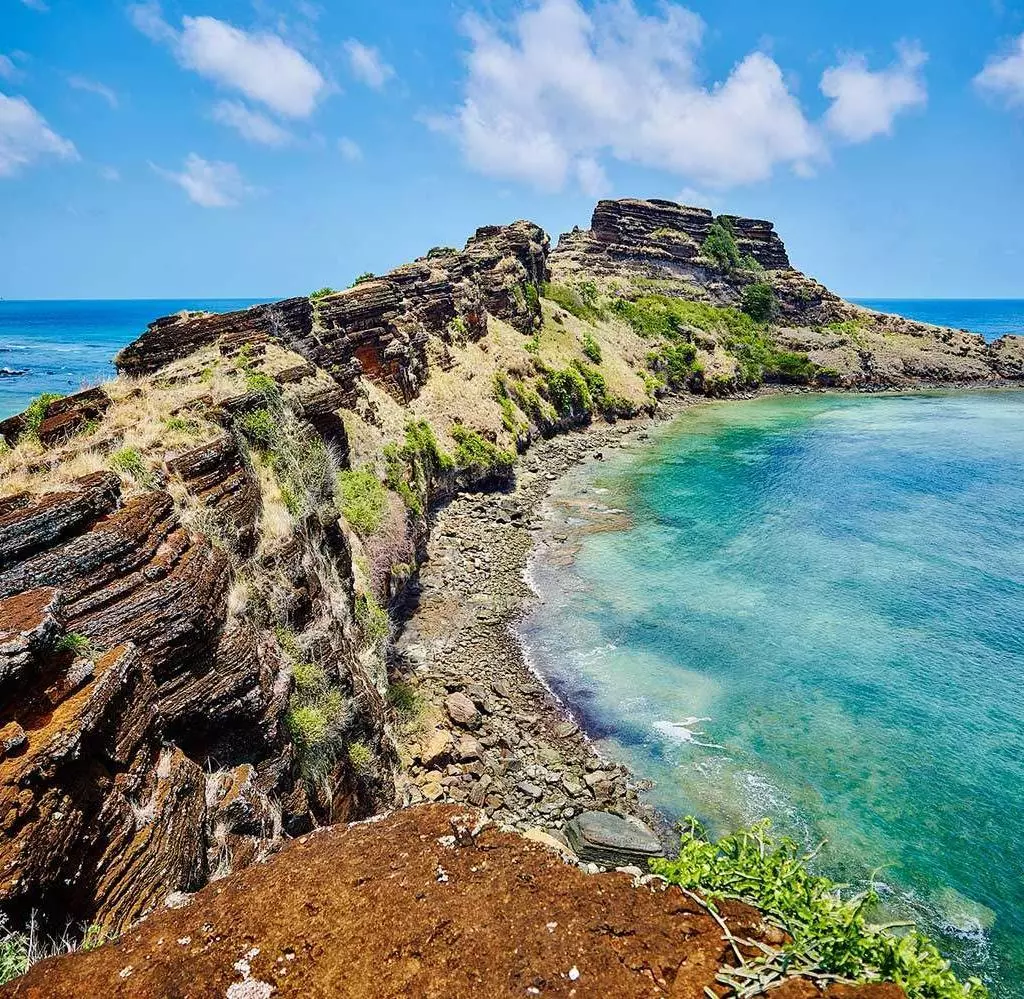
Grande Comore is the main gateway to the archipelago. It combines Mount Karthala, Moroni’s medina, markets, historic sites and dramatic volcanic scenery. Away from the capital, the island also offers volcanic coastlines, scenic beaches and swimming spots that reveal another side of Ngazidja.
Mohéli (Mwali)
Best for ecotourism, sea turtles, whales and slow travel
Mohéli is the smallest and most preserved of the three islands. It is the best choice for travellers interested in marine wildlife, protected areas and quiet landscapes. Mohéli National Park is central to the island’s identity and to its reputation for nature-based travel.
Anjouan (Ndzuwani)
Best for mountain scenery, perfume plants, villages and cultural immersion
Anjouan is lush, steep and atmospheric. It is known for waterfalls, hilltop villages, ylang-ylang distilleries and the heritage of Mutsamudu. Choose Anjouan if you are looking for scenery, culture and a stronger sense of immersion.
The Comoros – The Perfume Islands
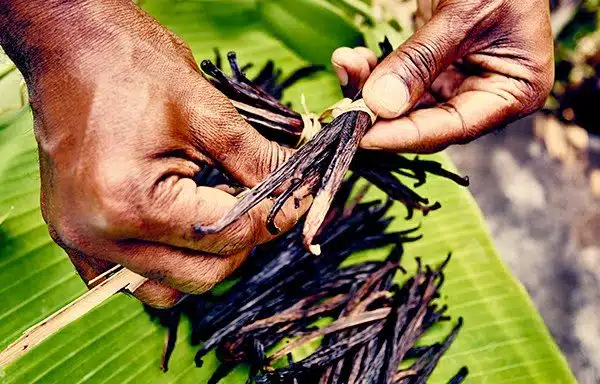
The Comoros fully deserve their nickname. Ylang-ylang, vanilla, cloves, jasmine and combava perfume the air and shape the islands’ identity. Markets, plantations and distilleries connect the landscape with local life and give the journey a strong sensory dimension.
Top things to do in the Comoros
Climb Mount Karthala
Mount Karthala rises to 2,361 m and is one of Africa’s great volcanoes. The hike usually takes two days with a guide and offers dramatic volcanic scenery.
Watch sea turtles on Mohéli
Itsamia is one of the best-known turtle sites in the archipelago. Mohéli is the island most strongly associated with marine wildlife and protected coastal areas.
See whales and dolphins
From July to October, humpback whales move through Comorian waters. Dolphins can be seen around several islands throughout the year.
Dive and snorkel
The Comoros offer colourful reefs, tropical fish and relatively uncrowded sites. The archipelago is also linked to the coelacanth, one of the world’s most famous deep-water species.
Explore medinas and heritage sites
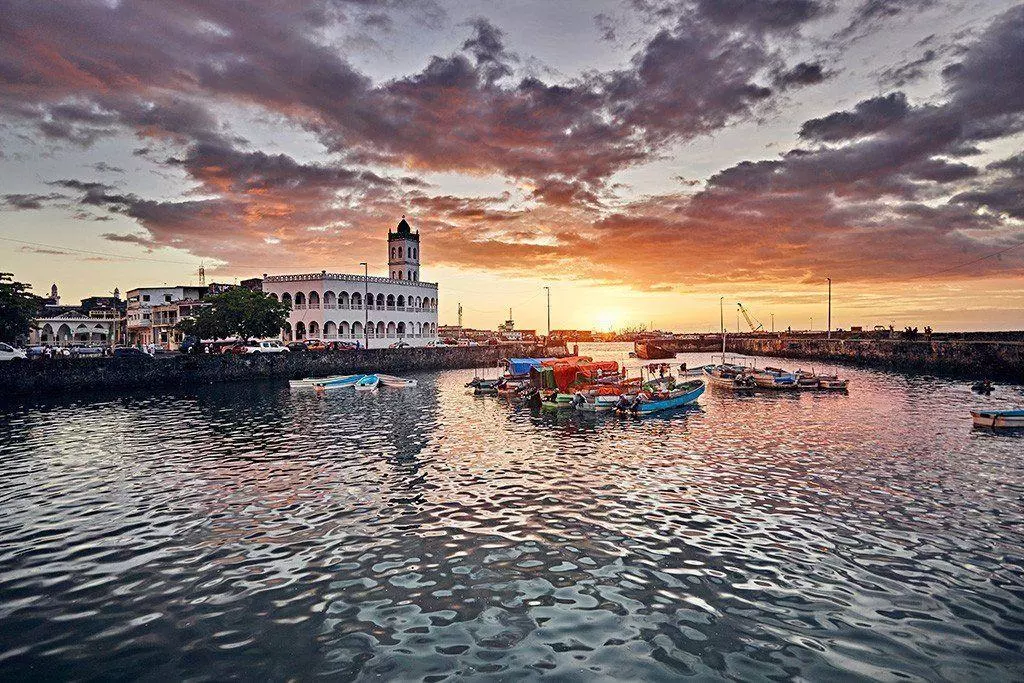
Moroni, Mutsamudu, Iconi and Domoni reveal the historical depth of the islands through coral-stone alleyways, mosques, markets and old sultan sites.
Discover spice and perfume culture
Distilleries, plantations and markets reveal a different side of the islands. This is where travel becomes sensory, local and memorable.
When to visit the Comoros
| May – October | Dry season. This is the best time for hiking, diving and moving between the islands. |
| July – October | Best season for humpback whales. A good choice for travellers who want both marine life and land-based activities. |
| Year-round (stronger nesting activity often March–August) |
Sea turtles can be observed around Mohéli throughout the year, with stronger nesting activity often noted between March and August. |
| Best overall window | July to September is often the most balanced period for whales, hiking, diving and island-hopping. |
Planning your stay in the Comoros
How to get there
Prince Said Ibrahim International Airport (HAH) near Moroni is the main entry point. Ouani Airport on Anjouan and Bandar Es Salam Airport on Mohéli can also be authorised entry points depending on the route and traveller profile.
International connections change over time. Before booking, check the latest schedules and routes that serve Moroni.
How to travel between the islands
Inter-island travel is possible by plane and by boat. Flight times are short, while ferry schedules depend on weather and operations. Because services change regularly, it is best to confirm routes and timings before travel.
Visa and entry requirements
A visa on arrival is generally available for many travellers, but the latest rules should always be checked before departure. A passport valid for at least 6 months, an onward or return ticket, and proof of accommodation are usually required.
Health and safety
Tap water is not drinkable, so bottled or filtered water is recommended. A medical kit and travel insurance with medical repatriation are strongly advised. As the Comoros are a Muslim-majority country, respectful dress is recommended outside beaches and hotel areas.
Travel more sustainably
More travellers now look for local, meaningful and responsible experiences. In the Comoros, that means slower travel, small-scale stays, local guides, community-based experiences and a stronger connection with everyday island life.
To go further, explore community tourism in the Vanilla Islands, discover how to travel better in the Vanilla Islands, and see how an inter-island combination can create a richer and more balanced journey.